KSU students prepare to deliver research findings at Fall Symposium of Student Scholars

KENNESAW, Ga. | Nov 16, 2026

Can an electric nose detect food spoilage? What does architecture have to do with our favorite scary movies? How can artificial intelligence help farmers right here in Georgia?

These questions provide a sampling of the topics that student researchers are investigating at Kennesaw State University. This week, students across disciplines will come together to present their findings at the Symposium of Student Scholars.

Hosted once per semester by the Office of Undergraduate Research, the Symposium of Student Scholars offers students a unique opportunity to present their research to a diverse audience, including faculty, donors, and the general public.

Each student collaborates with a faculty research mentor to complete their research throughout the semester, with the Symposium representing the culmination of their work.

The Fall Symposium of Student Scholars will take place Nov. 18-20 on the Marietta Campus, beginning Wednesday, Nov. 18 with poster presentations.

Below is a look at several of the projects that will be presented.

Click here to view the program

“I never thought I would be accidentally drowning plants, designing hardware, or meeting with real farmers, but these surprises have taught me so much.”

Brendan Miller

Computer science major


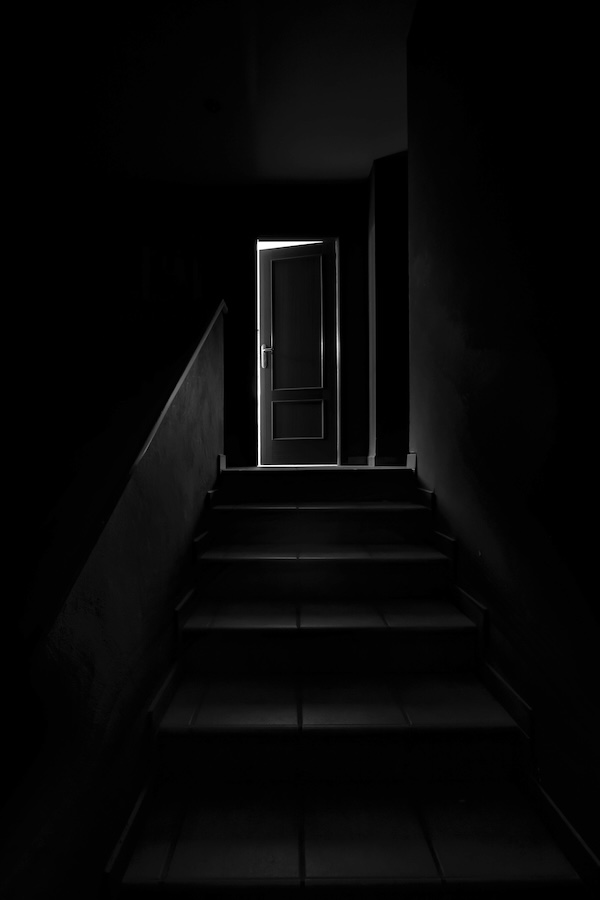
Fear

Form Follows Fear: Mapping How Architectural Spaces Influence Typologies of Thrill

Undergraduate Student: Aiyani Johnson
Major: Architecture
Research Mentor: Ehsan Sheikholharam Mashhadi, Assistant Professor of Architecture
Presentation Date: Wednesday, November 18; Noon – 12:45 p.m.

Q: How would you explain your project to someone who knows nothing about your field of study, such as a parent or sibling?

A: When horror movies are discussed, it’s usually in terms of psychological mechanics, cinematic strategies, and a lot of the time, the supernatural elements involved. This project is not about minimizing the importance of these components, but about using them to strengthen one of the most important principles learned at the beginning of architecture school. Architecture is in everything. The point of my research is to investigate what architectural elements create the feeling of fear in order to argue that architecture is much more than just the background for actions in horror movies to take place. Without it, the horror genre would not be what it is today.

Q: What inspired you to pursue this project? Do you have a personal connection to it?

A: I’ve always been fascinated by how fictional environments can evoke such intense physical and emotional reactions. When deciding on a thesis topic, I initially thought I needed to pursue a more traditional architectural focus, but I realized that truly successful research projects come from a place of passion. Merging spatial design with film theory allowed me to explore a critical intersection that, in my opinion, deserves far more academic attention.

Q: Were there any surprises or lessons learned along the way? 

A: It has been a welcome challenge to study architecture through a research lens. To investigate how cinema manipulates emotion, I had to reach back into the fundamentals of architectural design, specifically form and spatial elements. In my final year of school, it was eye-opening to rediscover just how important those foundational principles are. They form the backbone of my entire project: the what, the how, and the why. It is drilled into our minds that architects are lifelong learners, and this research has proven that to me.

Q: What do you hope is the end result of this project? Any practical applications?

A: My hope is that this project provides deeper insight into how cinematic environments are engineered to influence human emotion. Using what I have learned in architecture school and through this research, I plan to pursue a career in set design. While the broader practical applications, such as immersive environment design and spatial storytelling, are still unfolding, I will be translating these findings directly into physical design when this project continues in Thesis Studio in Spring 2027.

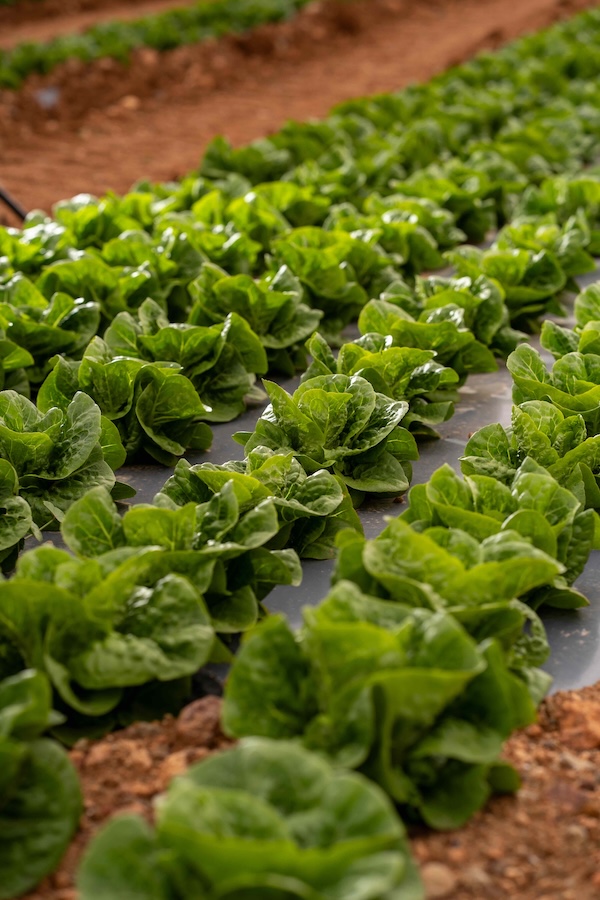
Tiny AI for Sustainable Agriculture: Energy-Aware and Adaptive Edge Intelligence for Plant Disease and Stress Detection

Undergraduate Student: Brendan Miller
Major: Computer Science
Research Mentor: Xu Tao, Assistant Professor of Information Technology
Presentation Date: Wednesday, November 18; 4:00 – 4:45 p.m.

Q: How would you explain your project to someone who knows nothing about your field of study, such as a parent or sibling?

A: I research, design, and create smart agriculture devices to aid farmers in tasks such as crop monitoring, weather monitoring, and even plant disease prediction and detection in the hopes to help cut crop and plant loss. More specifically, I design these systems with factors such as resource limitations in mind, these limitations being things such as network infrastructure, technical infrastructure, power limitations, and even cost.

Q: What inspired you to pursue this project? Do you have a personal connection to it?

A: I was inspired to pursue this project through my love of various plants and a desire to provide farmers from all backgrounds, whether it be rural small-scale farming or larger farms that may not have the funds or resources to purchase existing monitoring systems. Most importantly, I want to innovate on existing intelligence and bring something completely new to the edge without requiring technical infrastructure to be in place for these systems to operate.

Q: Were there any surprises or lessons learned along the way? 

A: Throughout this project I’ve been met with numerous surprises. Although I’m a computer science major, I’ve designed, built, and programmed hardware, I’ve had to learn how to grow various plants in lab which has included building a functioning hydroponics system as well as learning how to create nutrient solutions, I’ve had to drive hours to meet with local Georgia farmers to hear what they need, and now I’m building a specialized camera system for a local mushroom farm and for hydroponic experiments while mentoring people who are in the same position that I was last November. That being said, I never thought I would be accidentally drowning plants, designing hardware, or meeting with real farmers, but these surprises have taught me so much.

Q: What do you hope is the end result of this project? Any practical applications?

A: The end goal of this project is to provide farmers regardless of existing infrastructure with a new intelligent system with the aforementioned capabilities without costing thousands of dollars while introducing unique intelligent capabilities.

Plants
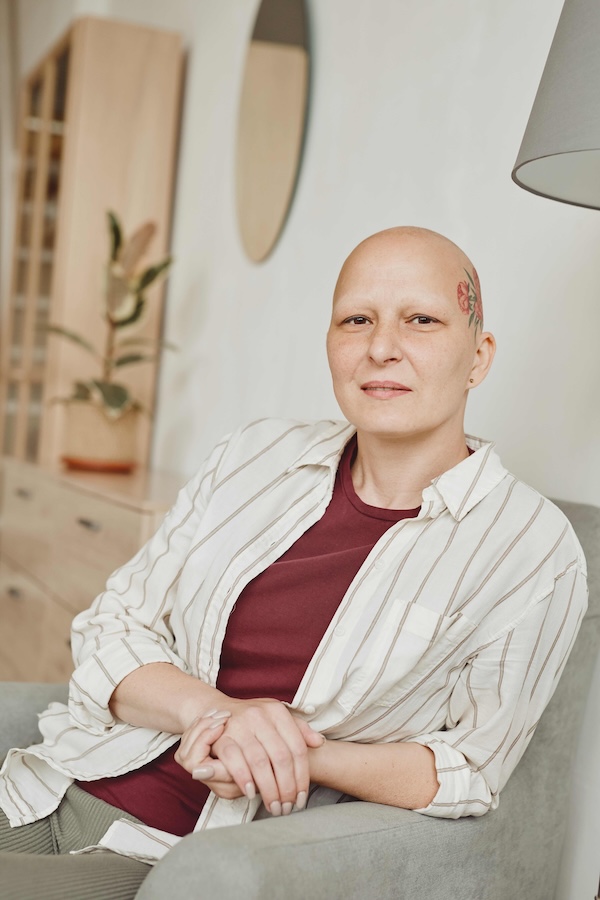
Alopecia

Performing Alopecia

Undergraduate Student: Lillian Hovey
Major: Theatre and Performance Studies
Research Mentor: Charles Parrott, Professor of Theatre and Performance Studies
Presentation Date: Thursday, November 19; 3:00 – 3:50 p.m.

Q: How would you explain your project to someone who knows nothing about your field of study, such as a parent or sibling?

A: This is a storytelling performance piece that chronicles my lived experience developing Alopecia Areata Universalis, an autoimmune condition that renders me unable to grow hair. This project uses autobiographical solo performance to communicate a unique human experience. It is accompanied by an essay titled “Hair Loss in the Great Tragedy of Adolescence” that details the construction of the story script, including the use of anaphora as a valve between emotional pressure and comedic release, the use of second-person perspective to bring the audience closer to the subject matter, and the universal experience of teenage disappointment to frame total hair loss.

Q: What inspired you to pursue this project? Do you have a personal connection to it?

A: Oral storytelling is so special because it erases the separation between the speaker and the audience that paper or screen provide, and that’s important to think about for a condition that affects so few people. I am usually either the first or second person that somebody has ever met with alopecia, let alone AAU. This project has given me the opportunity to reach people in a way that couldn’t have been achieved with another medium.

Q: Were there any surprises or lessons learned along the way? 

A: Using second-person perspective has made a world of difference in performing the story. With such personal and traumatic subject matter, it could easily feel for an audience that I might be eviscerating myself onstage if the story was told from my perspective. By switching the pronoun to “you” instead of “I,” there’s a distance set between myself and the content that makes it more digestible. It’s a small change, but discovering that was both surprising and liberating.

Q: What do you hope is the end result of this project? Any practical applications?

A: Navigating performance spaces as a bald woman feels a little like reaching around in the dark and crossing my fingers that I’m going the right way. In publishing this story and bridging the gap in knowledge for performances about hair loss, I hope I am able to throw a little bit of light out into that darkness for the next person, and for myself.

Flexible ZnO Nanorod-Supported Ag/Au Nanostructured SERS Substrates for Toxin Detection

Graduate Student: Emily Plank
Program: Master of Science in Chemical Sciences
Undergraduate Students: Rhianna Allen, Samya Doggett, Joshua Lee
Research Mentor: Bharat Baruah, Professor of Chemistry and Biochemistry
Presentation Date: Wednesday, November 18; 1:00 – 1:45 p.m.

Q: How would you explain your project to someone who knows nothing about your field of study, such as a parent or sibling?

A: My research focuses on developing a sustainable alternative to conventional transparent materials such as plastic and glass. Rather than simply making paper transparent, the goal is to transform an inexpensive, bio-derived substrate into a multifunctional material with improved optical, mechanical, thermal, and water-resistant properties. This is accomplished by applying a natural shellac and beeswax coating to paper and using heat and pressure to create a transparent smart material (TSM). I then evaluate its ability to block UV radiation, reduce heat transfer, resist water, and withstand physical stress.

Q: What inspired you to pursue this project? Do you have a personal connection to it?

A: I was interested in exploring how naturally derived materials could be used to develop more sustainable alternatives to conventional plastics and other synthetic materials. I wanted to investigate whether materials such as shellac and beeswax, which have been used in various applications for centuries, could be combined and engineered to produce something with modern technological applications. This project allowed me to combine my interest in chemistry, materials science, and sustainability while exploring how relatively simple natural materials could be transformed into something with greater functionality.

Q: Were there any surprises or lessons learned along the way? 

A: One of the most interesting discoveries was how significantly the shellac-to-beeswax ratio and the number of substrate layers influenced the final material's properties. Initially, I expected the coating to primarily improve transparency and strength, but the results demonstrated additional properties, including UV protection, water resistance, and thermal insulation. In particular, thermal testing showed that the TSM maintained temperatures approximately 5–10°C lower than glass under the tested conditions. I also learned that material development requires extensive experimentation, as even small changes in formulation and processing conditions can influence the overall performance of the final product.

Q: What do you hope is the end result of this project? Any practical applications?

A: The long-term goal is to develop a sustainable, bio-derived material that could serve as an alternative to conventional transparent materials in various applications. One potential application is energy-efficient construction, where the material could be explored for transparent surfaces that provide UV protection and help reduce heat transfer. Another direction involves integrating conductive materials, such as silver nanowires, to explore its potential in flexible electronics and wearable technologies. Ultimately, I hope this research demonstrates that naturally derived materials can be engineered into multifunctional materials with practical applications in sustainable building technologies and emerging electronics.

Beeswax
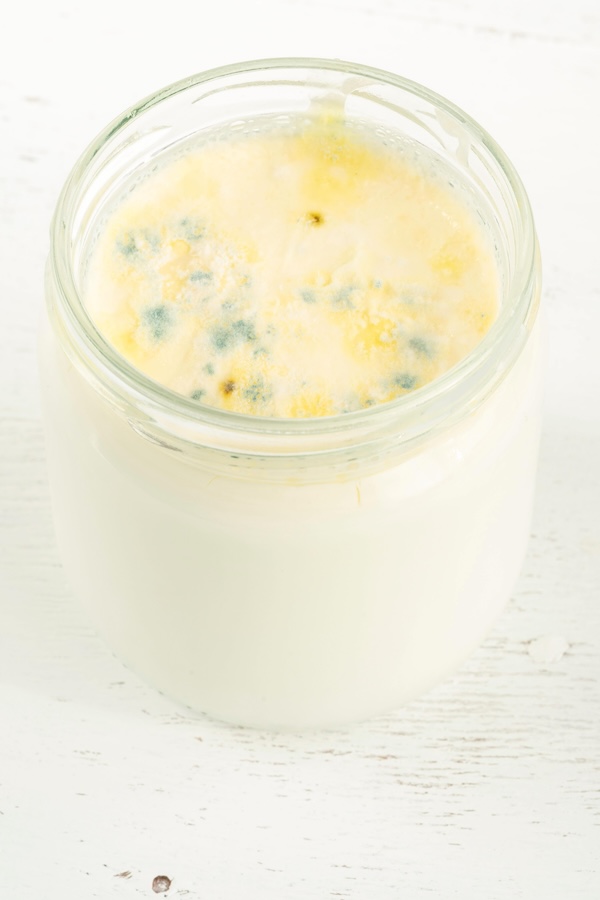
Dairy

Machine Learning-Enabled Olfactory Sensing for Spoilage-Level Prediction in Dairy Products

Undergraduate Student: Subeen Choi
Major: Industrial and Systems Engineering
Research Mentor: Taeyeong Choi, Assistant Professor of Information Technology
Presentation Date: Wednesday, November 18; 3:00 – 3:45 p.m.

Q: How would you explain your project to someone who knows nothing about your field of study, such as a parent or sibling?

A: This project is about an electronic nose’s capability of detecting different stages of food spoilage. An electronic nose is a device that smells the air imitating the human sense of smell. In this project, we trained machine learning models with recorded odor patterns to determine how spoiled each milk sample is.

Q: What inspired you to pursue this project? Do you have a personal connection to it?

A: Since I moved to the United States, I have read a lot of news about food recalls, such as Walmart’s frozen shrimp and Taco Bell’s lettuce. It made me wonder how contaminated food ends up on customers’ plates after passing through all the food quality checks, and how we can address this recurring issue in the United States.

Q: Were there any surprises or lessons learned along the way? 

A: I was surprised that an electronic nose could distinguish different spoilage stages, but also that there are still challenges in applying this technology to real-world environments rather than controlled lab settings.

Q: What do you hope is the end result of this project? Any practical applications?

A: I hope this project contributes to real-world use of electronic noses in restaurants or cafes, so food can be checked for spoilage before it is served and customers can enjoy their food without worrying.

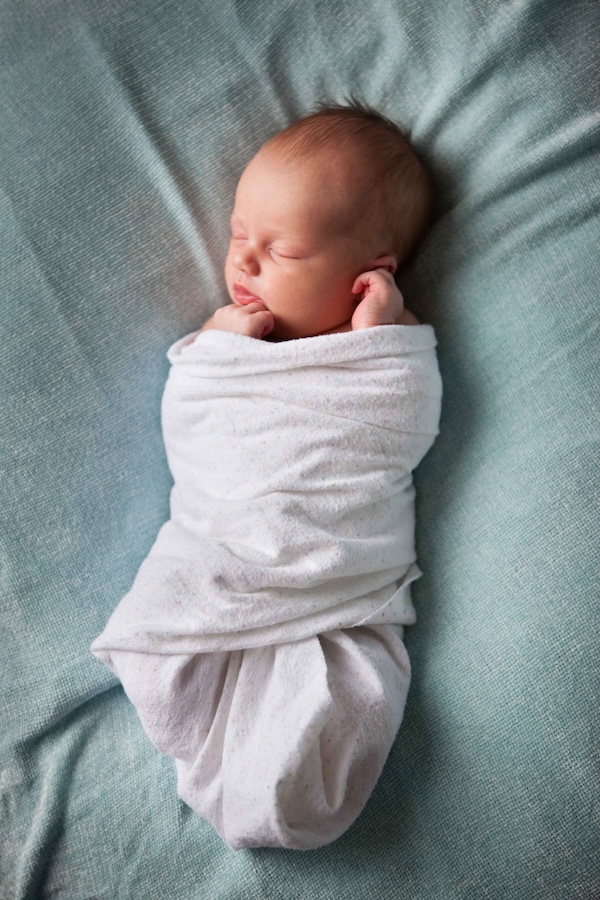
Plurality and Infant Mortality Among U.S. Infants Born in 2023

Undergraduate Student: Savannah Stafford
Major: Public Health
Research Mentor: Kevin Gittner, Assistant Professor of Biostatistics and Epidemiology
Presentation Date: Wednesday, November 18; 10:00 – 10:45 a.m.

Q: How would you explain your project to someone who knows nothing about your field of study, such as a parent or sibling?

A: My project looks at infant mortality rates in twins, triplets, and other multiple births to understand how their risks compare with those of single births. I analyzed data from 3.6 million births that occurred in the U.S. in 2023. The data showed an increased risk of death before one year of age among babies born as part of a multiple birth. I also examined how early babies were born, because multiple births tended to occur earlier, which may help explain their higher infant death rates.

Q: What inspired you to pursue this project? Do you have a personal connection to it?

A: I have a personal connection to this project because I am a twin myself. I have always thought that being a twin or part of a multiple birth is truly special because you have a built-in buddy to experience life with. That connection inspired me to better understand how the risks differ between multiple and single births and how those differences relate to infant health and survival.

Q: Were there any surprises or lessons learned along the way? 

A: I wasn’t necessarily surprised that multiple births had a higher infant mortality rate, but seeing the numbers helped me understand the different risks associated with twins, triplets, and other higher-order multiples. This also helped me understand the importance of considering how early babies were born when comparing infant mortality rates. This project has inspired me to explore additional factors and expand the scope of my research beyond the class requirements, simply because I am interested in the subject matter.

Q: What do you hope is the end result of this project? Any practical applications?

A: I hope this project highlights the risks associated with multiple births and encourages research into ways to reduce them. All families deserve support, and families expecting multiples may need care tailored to their particular risks and needs. Although these descriptive statistics cannot establish causes, they provide a starting point for further research. I also hope my work encourages other students to pursue their interests and see what they can accomplish when they put their minds to it.

Baby

– Story by David Roberts

   Photos provided
 

Related Stories

A leader in innovative teaching and learning, Kennesaw State University offers undergraduate, graduate, and doctoral degrees to its more than 51,000 students. Kennesaw State is a member of the University System of Georgia with 11 academic colleges. The university's vibrant campus culture, diverse population, strong global ties, and entrepreneurial spirit draw students from throughout the country and the world. Kennesaw State is a Carnegie-designated doctoral research institution (R2), placing it among an elite group of only 8 percent of U.S. colleges and universities with an R1 or R2 status. For more information, visit kennesaw.edu.