KENNESAW, Ga. | May 20, 2026

Kennesaw State University research suggests that mental health challenges like depression, anxiety, and insomnia may significantly impact how well first responders can do their jobs.
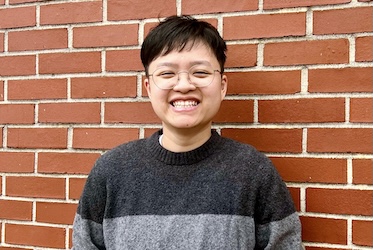
Mahita Polineni, a third-year psychology student in KSU’s Norman J. Radow College of Humanities and Social Sciences, is studying how these factors affect cognitive functioning including memory, concentration, and decision-making among emergency medical responders.
Polineni works with faculty mentor Kristin Horan, an associate professor of psychology and director of community engagement and outreach with the Center for the Advancement of Military and Emergency Services (AMES Research). Together, they analyzed national survey data to better understand the connection between mental health and performance. Their findings showed first responders who reported higher levels of depression, anxiety, or poor sleep were more likely to also report difficulties with focus, memory, and overall mental clarity.
“Being able to quickly assess a situation and make decisions is critical in these roles,” Polineni said. “If mental health or sleep is compromised, it can affect how effectively someone can respond in the field.”
Polineni said one of the most striking findings in her research was how lack of sleep or insomnia affected performance.
“We already know sleep is important, but seeing how strongly it was connected to cognitive functioning in this population was surprising,” she said. “It showed just how essential rest is for people working in high-stress environments.”
Polineni’s interest in the topic is deeply personal. As a high school student in Forsyth County, she trained as an emergency medical responder and worked alongside instructors who had careers in firefighting and emergency services. Through their experiences, she witnessed firsthand the emotional toll these professions can take.
“They would go from one traumatic scene to another and then still have to go home and be present for their families,” she said. “There isn’t always space for them to process what they experience.”
That constant exposure to trauma, combined with long shifts and limited recovery time, contributes to high rates of burnout among first responders. According to Polineni, many are forced to compartmentalize their experiences just to continue doing their jobs.
“This study is important because we depend on first responders to show up at their physical and mental best to avoid loss of property and life in dynamic and high-stress situations,” Horan added. “Yet, the job places them at heightened risk for sleep disruptions and mental health concerns.
She said the study highlights the need for agencies to provide more resources and support systems for first responders.
“The bottom line is, better cognitive performance benefits the first responder, their fellow teammates, and ultimately, the communities they serve," Horan noted.
Polineni suggests that emergency response agencies should consider expanding wellness programs to include mental health services and sleep support initiatives.
“Even small changes such as structured rest periods or access to counseling could improve both responder well-being and job performance,” she said.
As she continues her research, Polineni hopes her work will bring greater awareness to the challenges first responders face and encourage meaningful change.
“These are the people who show up for us in our most difficult moments,” she said. “We need to make sure we’re showing up for them, too.”
– Story by Christin Senior
Photos by Darnell Wilburn
A leader in innovative teaching and learning, Kennesaw State University offers undergraduate, graduate, and doctoral degrees to its more than 51,000 students. Kennesaw State is a member of the University System of Georgia with 11 academic colleges. The university's vibrant campus culture, diverse population, strong global ties, and entrepreneurial spirit draw students from throughout the country and the world. Kennesaw State is a Carnegie-designated doctoral research institution (R2), placing it among an elite group of only 8 percent of U.S. colleges and universities with an R1 or R2 status. For more information, visit kennesaw.edu.