KENNESAW, Ga. | May 26, 2026
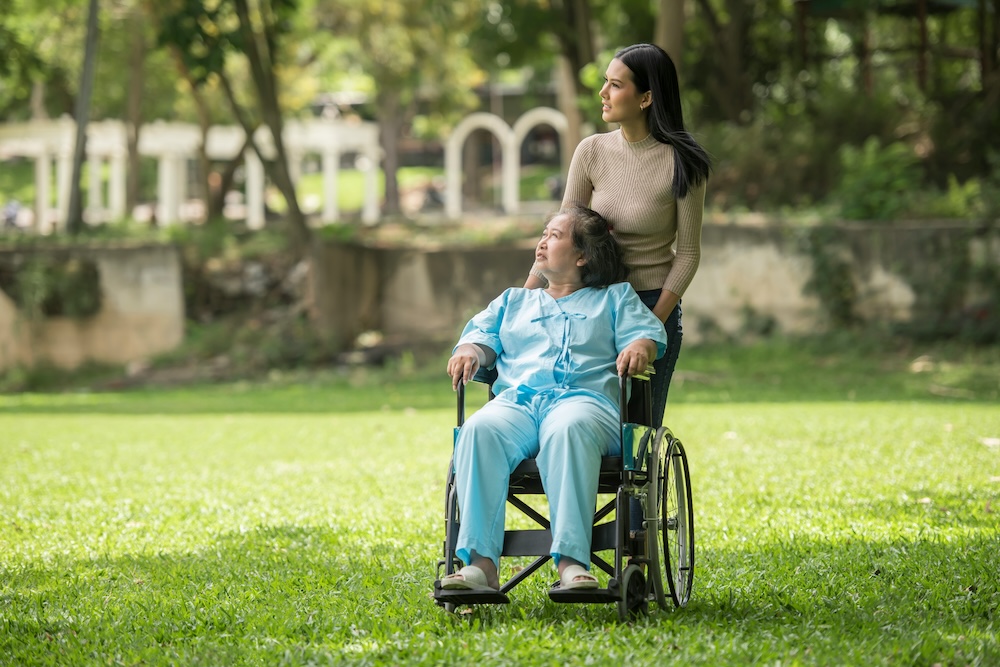
A team of students at Kennesaw State University is examining how those demands contribute to caregiver burnout, with a specific focus on how experiences differ between those caring for veterans and non-veterans.
Working alongside faculty mentor Brian Moore, associate professor of psychology and director of the Center for the Advancement of Military and Emergency Services, undergraduate psychology students Jennifer Phan and Aishat Oyelade in the Norman J. Radow College of Humanities and Social Sciences are exploring factors that contribute to stress and burnout that ultimately affects the health and well-being of caregivers. Both students are participants in the First Year Scholars Program which pairs first-year students interested in research with faculty to engage in an academic year-long research project.
Using data from a community survey, the researchers compared burnout rates between caregivers of veterans and those caring for non-veterans. While both groups experienced significant challenges, the study identified specific risk factors that consistently contribute to higher levels of burnout.
Among the most significant factors were limitations in daily activities of the person receiving care, the amount of time required to provide care, and the severity of the care recipient’s health conditions. While these challenges were present across both groups, they were often more pronounced among caregivers of veterans, who may require more intensive and long-term support.
“Some veterans may experience traumatic brain injuries and posttraumatic stress disorder, which can increase caregiving demands and long-term requirements,” Phan said.
One of the study’s most significant findings was that many caregivers did not primarily identify themselves as caregivers.
“They think it’s just something they’re supposed to do for their family, so their own health and well-being often get overlooked,” Oyelade said.
That lack of awareness, she noted, can make it more difficult for caregivers to recognize signs of burnout or seek help. Many of these informal caregivers reported limited access to resources that could help them manage stress and navigate their responsibilities.
Chronic stress can contribute to serious physical health issues, including cardiovascular problems and weakened immune systems. In high-stress situations, burnout may also affect the quality of care being provided.
“When I did my clinicals at nursing homes and hospitals, I witnessed firsthand what burnout can do to a caregiver and how that can lead to neglect and abuse of their recipients,” said Phan, a pre-health student who completed certified nursing assistant coursework at KSU. “I know that a lot of health care workers face the same amount of burnout. It’s something that will affect me in the future.”
Phan and Oyelade hope their findings will contribute to the development of more accessible resources for caregivers, particularly those without formal training. The team suggests online tools and educational materials designed to help caregivers recognize and manage stress before it worsens.
Moore added that understanding caregivers’ needs is about more than just supporting individuals; it is also about strengthening families, improving health outcomes and building a more compassionate and sustainable future for everyone.
“Caregivers are a ‘hidden’ and often overlooked workforce that builds, shapes and strengthens communities,” Moore said. “If we do not look after those who support and care for those in need, we weaken the very foundation of resilience, recovery and human connection that holds our communities together.”
The research team presented its findings at the Spring Symposium of Student Scholars and is preparing to submit the study for publication in a peer-reviewed journal.
– Story by Christin Senior
A leader in innovative teaching and learning, Kennesaw State University offers undergraduate, graduate, and doctoral degrees to its more than 51,000 students. Kennesaw State is a member of the University System of Georgia with 11 academic colleges. The university's vibrant campus culture, diverse population, strong global ties, and entrepreneurial spirit draw students from throughout the country and the world. Kennesaw State is a Carnegie-designated doctoral research institution (R2), placing it among an elite group of only 8 percent of U.S. colleges and universities with an R1 or R2 status. For more information, visit kennesaw.edu.