|
Two Degrees. Two Fields of Expertise. One Powerful Future.
Earning two bachelor’s degrees in mathematics and engineering gives you a powerful advantage for the future. With strong skills in analytical thinking, problem-solving, and real-world application, you will graduate prepared to stand out in a wide range of careers across engineering, technology, research, and other high-demand fields.
Select from the following engineering programs at KSU:
B.S. in Aerospace Engineering
Students gain practical experience with advanced facilities and participate in projects like aircraft, UAVs, and small spacecraft design. Graduates are ready for careers in aerospace, government agencies like NASA and the Air Force, or further studies.
The program has two concentrations: Aeronautics, focusing on atmospheric vehicles like airplanes and drones, covering aerodynamics, structures, propulsion, and controls; and Astronautics, centered on space systems such as spacecraft, rockets, and satellites, including space travel, orbital mechanics, and communications.
Learn More About B.S. in Aerospace Engineering
|
B.S. in Civil Engineering
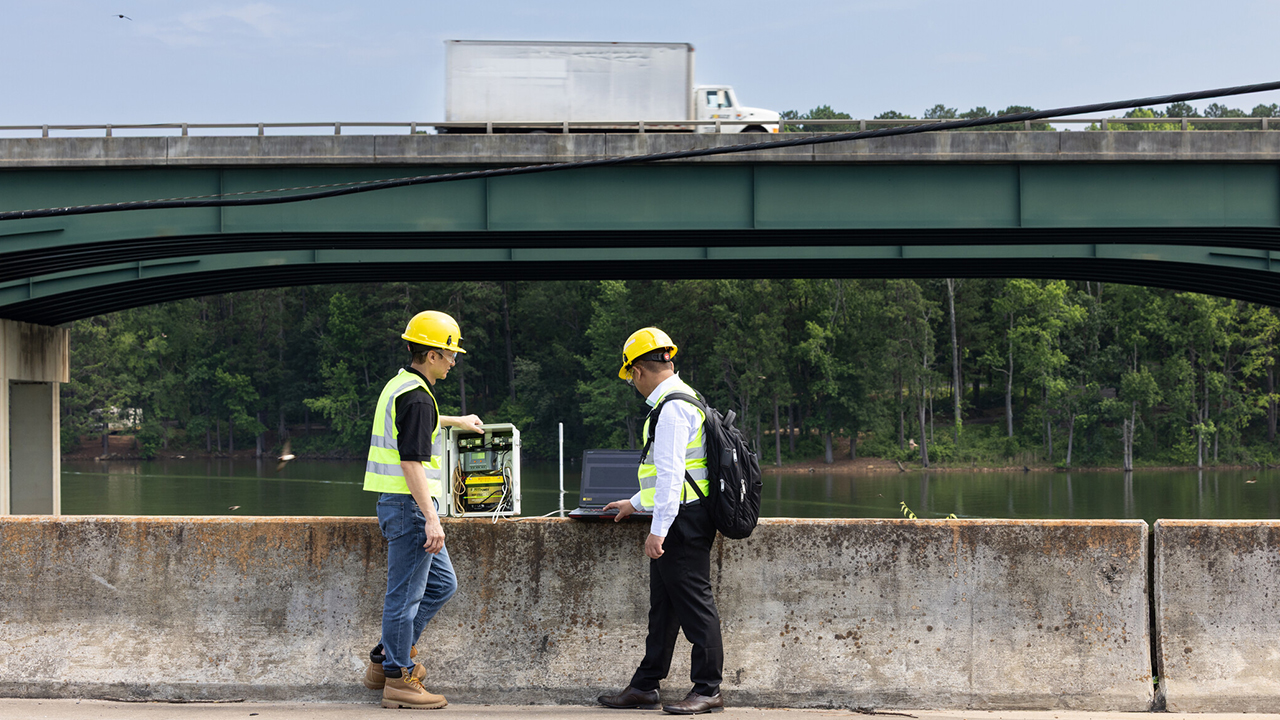
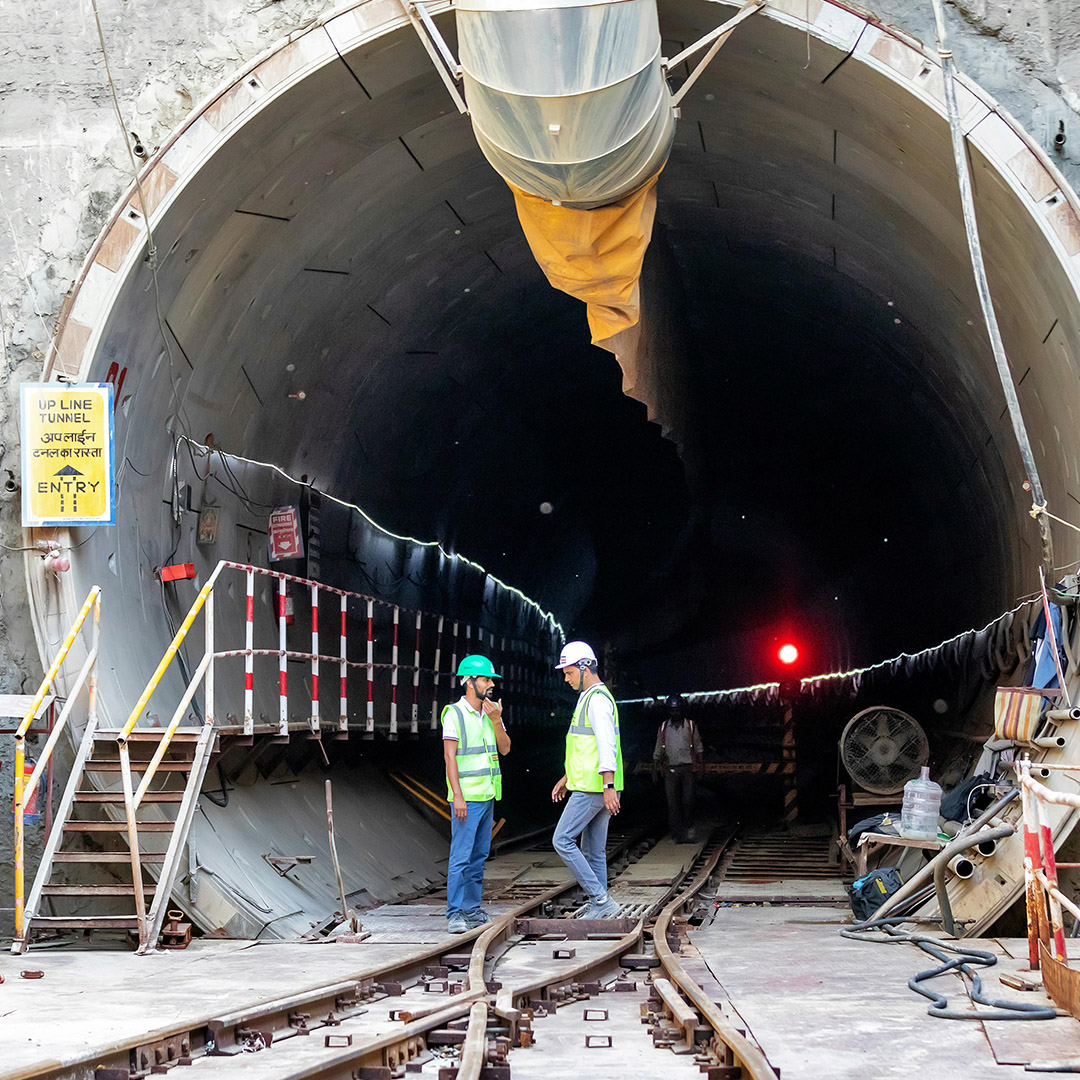
A civil engineering degree from Kennesaw State prepares you for planning, designing, and constructing structures essential to modern life like buildings, bridges, roads, pipelines, canals, dams, airports, and railways. This degree program teaches you the basic engineering principles, how to plan and manage construction projects, and to bring into consideration the many associated systems and resources that can impact the project.
Learn More About B.S. Civil Engineering
|
B.S. in Computer Engineering
Computer engineering (CPE) is a field that blends hardware engineering and software development. Computer engineers design and build digital systems, including computing devices and networks. Computer Engineers are particularly concerned with the interactions between software and hardware (programs and chips). Application examples include smart devices, the Internet of Things (IoT), and artificial intelligence. In this program, special focus is placed upon embedded systems design and the integration of sensors, actuators, and communication technologies.
Learn More About B.S. in Computer Engineering
|
B.S. in Electrical Engineering
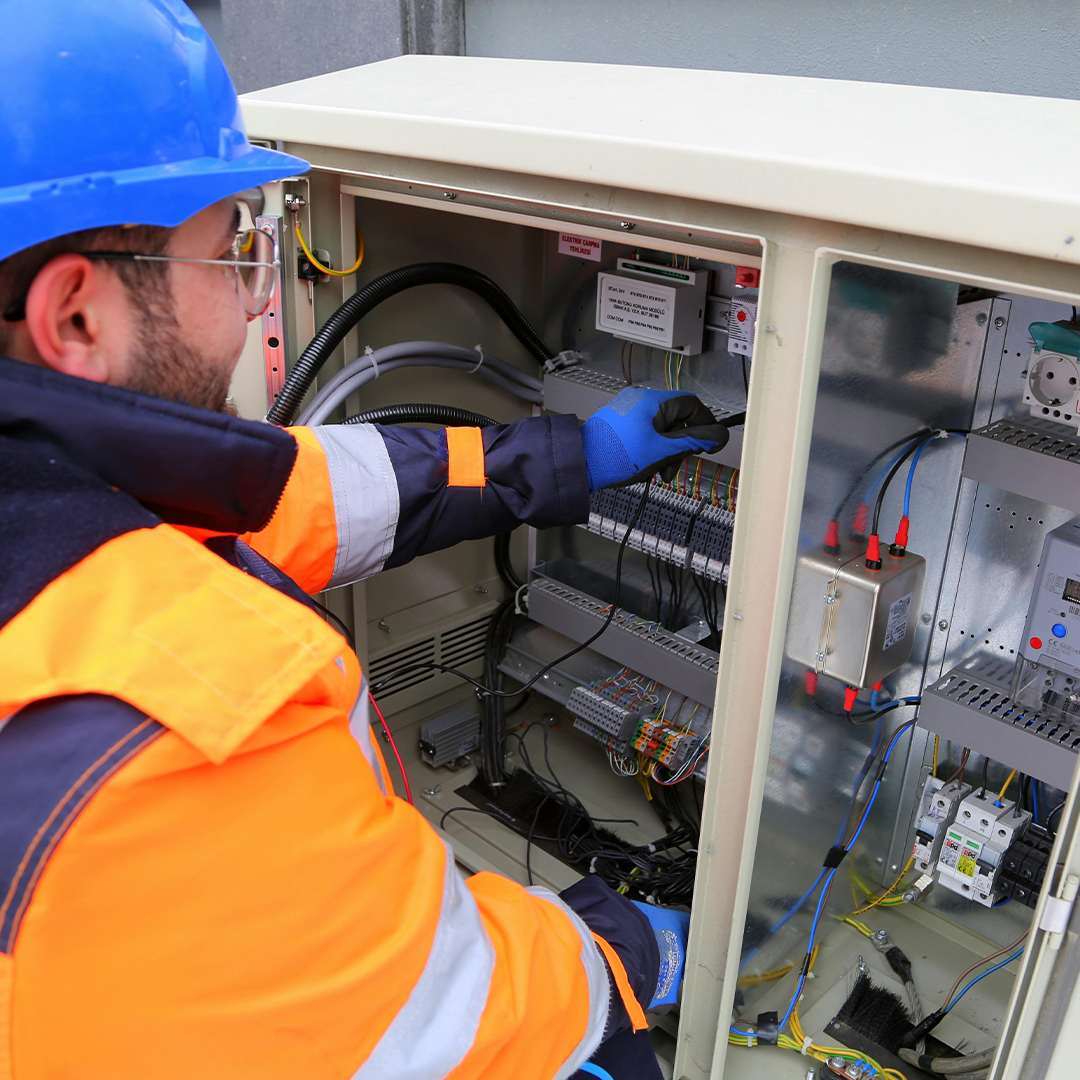
Students in electrical engineering study, design, and build devices and systems which utilize electricity and electromagnetic fields. This wide-ranging discipline covers problems at many scales, from the physical design of nano-sized transistors, through complex circuit analysis, up to the signals carried by communication and control systems. Application examples include cell phones, solar cells, power generation and distribution, and sensors.
Learn More About B.S. in Electrical Engineering
|
B.S. in Environmental Engineering
Environmental engineers use the principles of engineering, basic science, and mathematics to develop solutions to critical environmental challenges. The program provides a comprehensive education with special emphasis on the demands of water pollution, air pollution, water and wastewater treatment, solid and hazardous waste management and treatment. The comprehensive curriculum covers emerging environmental issues, including sustainable air, water, and land resources, human health, and environmental restoration.
Learn More About B.S. in Environmental Engineering
|
B.S. in Industrial and Systems Engineering
Industrial and systems engineering combine problem-solving, innovation, and strategy to prepare you for careers focused on improving systems, processes, and performance. Through this degree, you will learn how to connect people, technology, information, and resources to create solutions that help organizations work smarter and more effectively.
Learn More About in B.S. in Industrial and Systems Engineering
|
B.S. in Mechanical Engineering
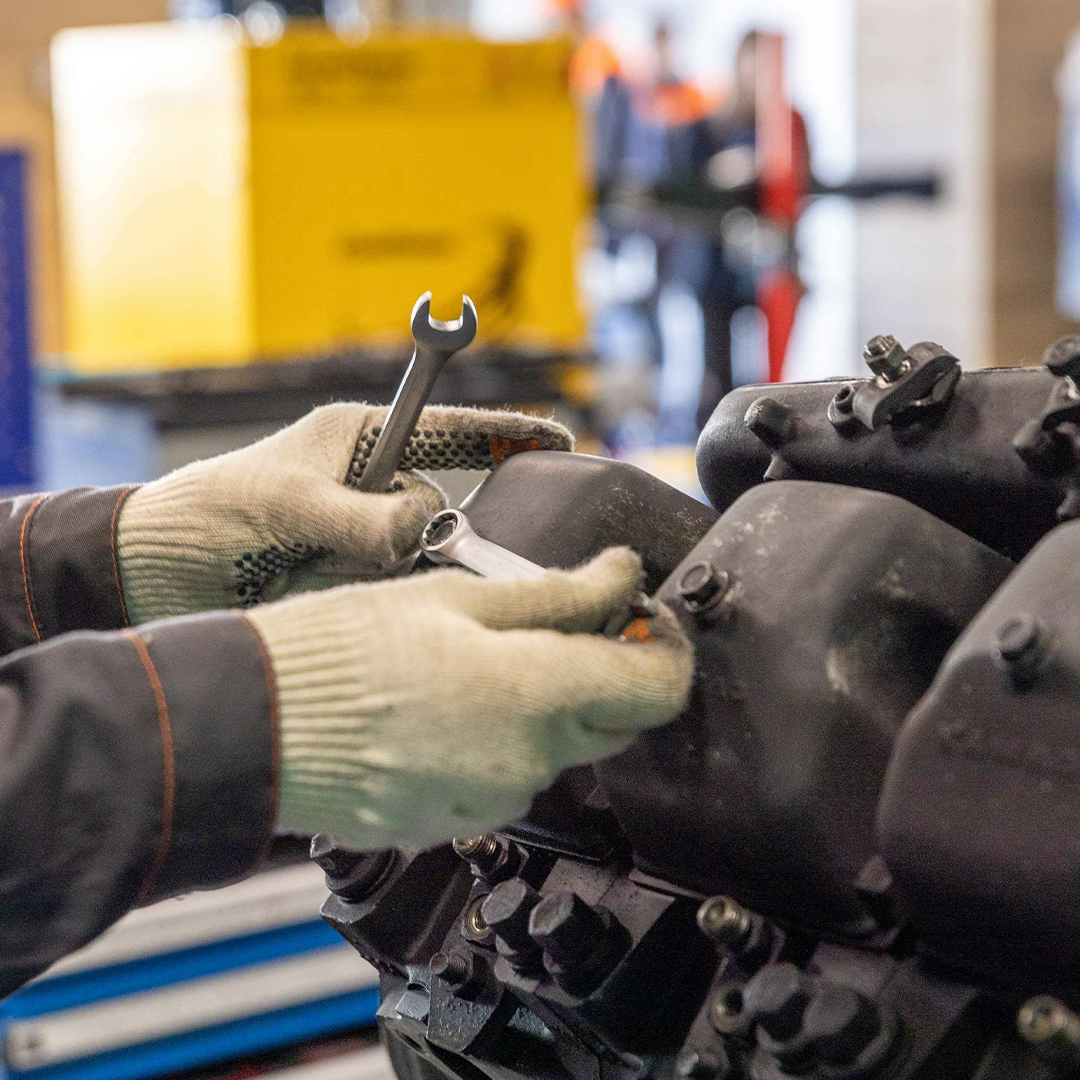
The mechanical engineering program is the largest discipline of engineering based on student enrollment not only at Kennesaw State University in Georgia, but nationwide. While focusing on the application of the principles of mechanics and energy to design new-age technology, mechanical engineering offers students a foundation to begin their career in an ever-changing environment.
Learn More About in B.S. Mechanical Engineering
|
B.S. in Mechatronics Engineering
This program educates tomorrow's engineers for excellence in this age of advanced manufacturing, robotics, automation, and artificial intelligence. Students' coursework, lab activities, and research opportunities provide understanding and experience in every stage of development, from concept to prototyping to full-scale manufacturing, equipping them for industry success.
Learn More About in B.S. Mechatronics Engineering
|
|