KENNESAW, Ga. | Oct 7, 2026
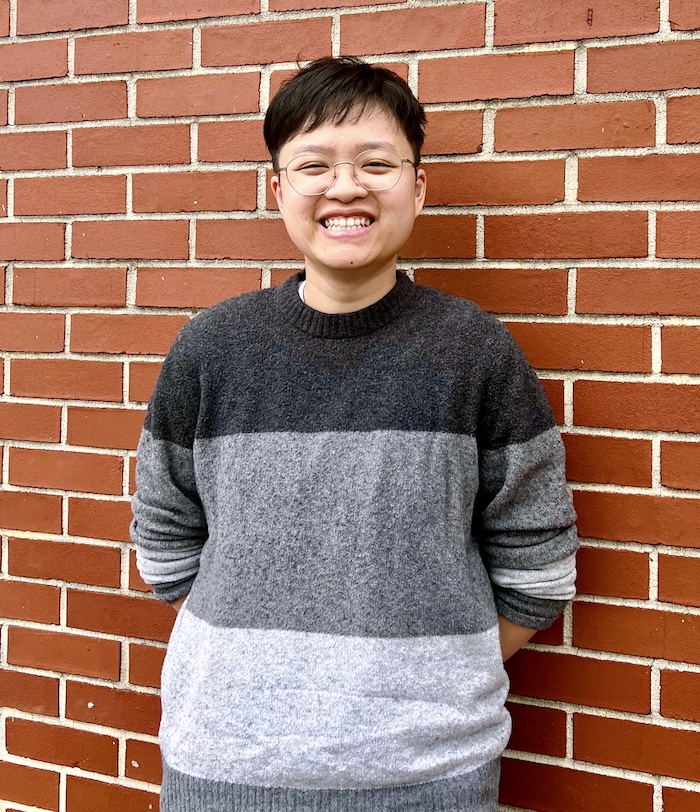
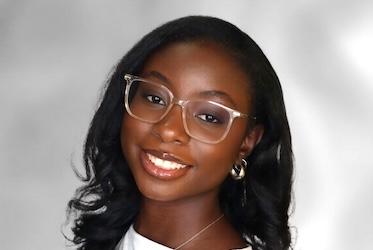
Tran, who is originally from Vietnam, is studying observations from NASA’s Transiting Exoplanet Survey Satellite, or TESS. The satellite monitors stars and looks for repeated dips in brightness that may occur when a planet passes in front of one.
“When an object goes in front of the star, it blocks a little bit of the light and causes a dip in the brightness that we observe,” Tran said. “If that dip repeats over and over, there might be a planet orbiting that star.”
The challenge is that binary star systems can produce similar signals. When two stars orbit one another and one passes in front of the other, the change in brightness can resemble the pattern created by a planet. Tran’s research focuses on determining which type of system researchers are observing.
Making that distinction can save astronomers valuable telescope time while also providing useful information about binary stars. Researchers can study those systems to estimate characteristics such as the stars’ masses and sizes.
“By understanding other stars, we will know more about the sun, and where it is in its lifetime or what we expect to happen when it evolves,” Tran said.
Tran moved to the United States in 2020 and studied English and mathematics at Gwinnett Technical College before professors encouraged her to pursue electrical engineering. She transferred to Kennesaw State in 2024 and enrolled in the Southern Polytechnic College of Engineering and Engineering Technology.
Although the project centers on astronomy, Tran said it connects closely to her electrical engineering studies. She analyzes light curves and graphs showing how a star’s brightness changes over time and looks for repeating patterns using skills similar to signal processing in her major.
Research, however, was initially unfamiliar territory.
“At first, I didn’t think that I was capable of doing research at all,” Tran said. “But now, after two semesters, I get the idea that research is a learning process. It’s not about solving the problem at first sight.”
One of the project’s biggest lessons came after Tran and her research team spent months analyzing a star system that produced confusing results. Their model suggested characteristics that did not make sense together, prompting them to investigate further.
They eventually discovered that the signal they were studying was coming from a different star than they initially believed.
“The challenge of this research is that we don’t know the answer,” Tran said. “Even if there are published papers talking about it already, we still have to study it further.”
Tran credits Associate Professor of Physics David Joffe with encouraging her to pursue research and helping her work through difficult questions.
“Thi has shown tremendous curiosity, persistence and a willingness to work through difficult problems,” Joffe said. “She has grown tremendously as a researcher, and her ability to bring her engineering background into this project has made her an important part of our work.”
Tran has submitted a manuscript based on the research to a journal and is awaiting review. She said the project has opened her eyes to opportunities she had not previously considered.
“A year ago, I didn’t know anything about research or the opportunities KSU could bring,” Tran said. “Now I know research is a learning process, and I’m excited to see where it can take me.”
– Story by Raynard Churchwell
Photo provided
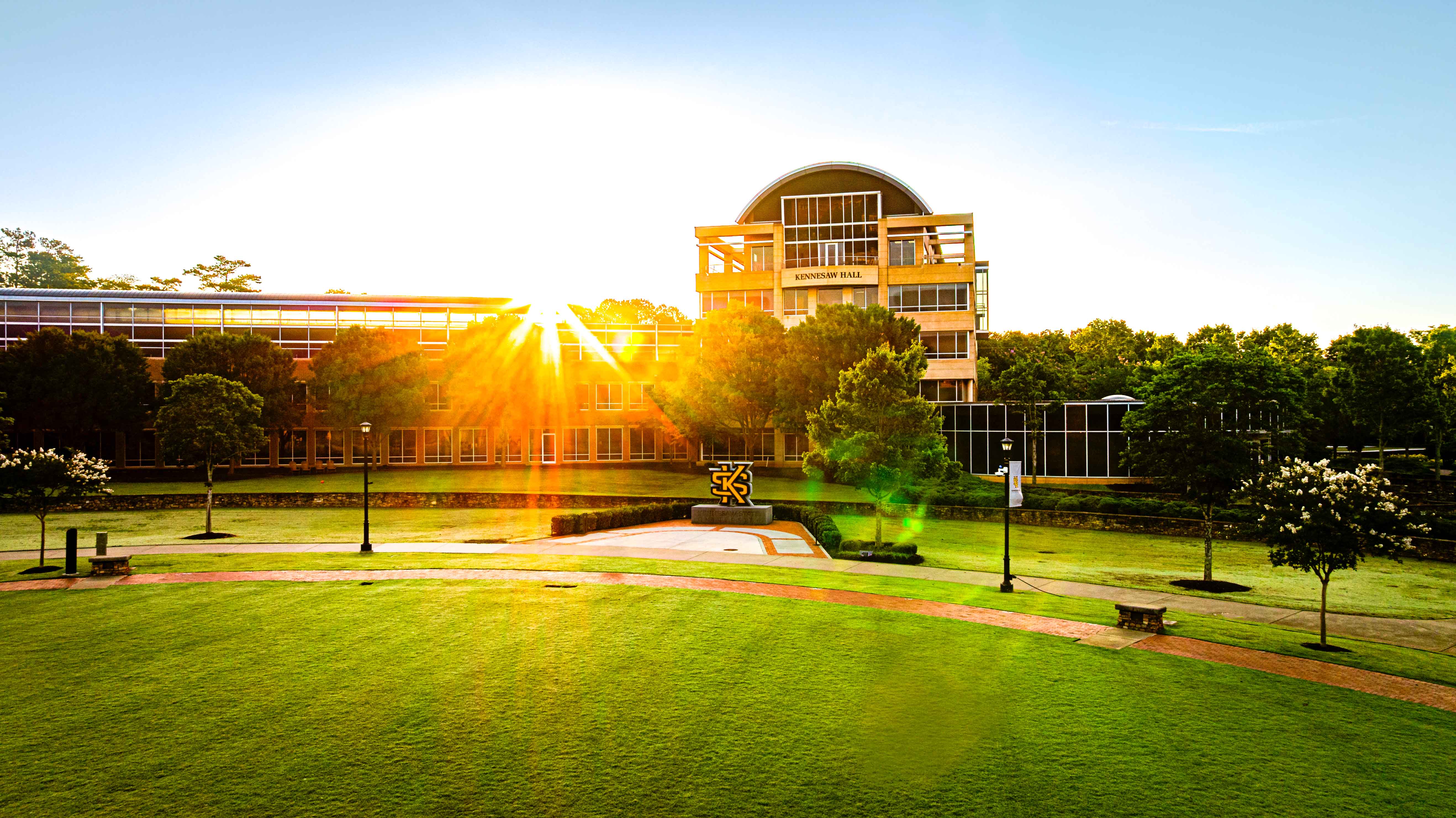
A leader in innovative teaching and learning, Kennesaw State University offers undergraduate, graduate, and doctoral degrees to its more than 51,000 students. Kennesaw State is a member of the University System of Georgia with 11 academic colleges. The university's vibrant campus culture, diverse population, strong global ties, and entrepreneurial spirit draw students from throughout the country and the world. Kennesaw State is a Carnegie-designated doctoral research institution (R2), placing it among an elite group of only 8 percent of U.S. colleges and universities with an R1 or R2 status. For more information, visit kennesaw.edu.