KENNESAW, Ga. | May 27, 2026
Where they differ is the illusion of choice.
Unlike mazes, labyrinths are tools for meditation and reflection where the destinations are predetermined; they follow a single unbranching path, gently directing people to the center.
“When I reminisce about KSU Dance and the many individuals who have shaped its creation over the past 20 years, I realize we journeyed through a labyrinth of opportunity and outcome,” said Ivan Pulinkala, Kennesaw State University’s provost and executive vice president of academic affairs. “This has been a journey of many, the twists and turns, opportunities to gather more students and propel them into successful careers out in the world.”
The concept of a labyrinth carries deep personal meaning for Pulinkala, who in 2005 arrived to serve as KSU’s inaugural dance program director. At the time, he was drawn to an institution with untapped potential in a state with few collegiate dance programs. But he couldn’t yet see where the path would lead him. In the two decades since his arrival, he has shepherded KSU’s dance program from humble beginnings into Georgia’s largest collegiate dance program, with alumni plying their craft worldwide.
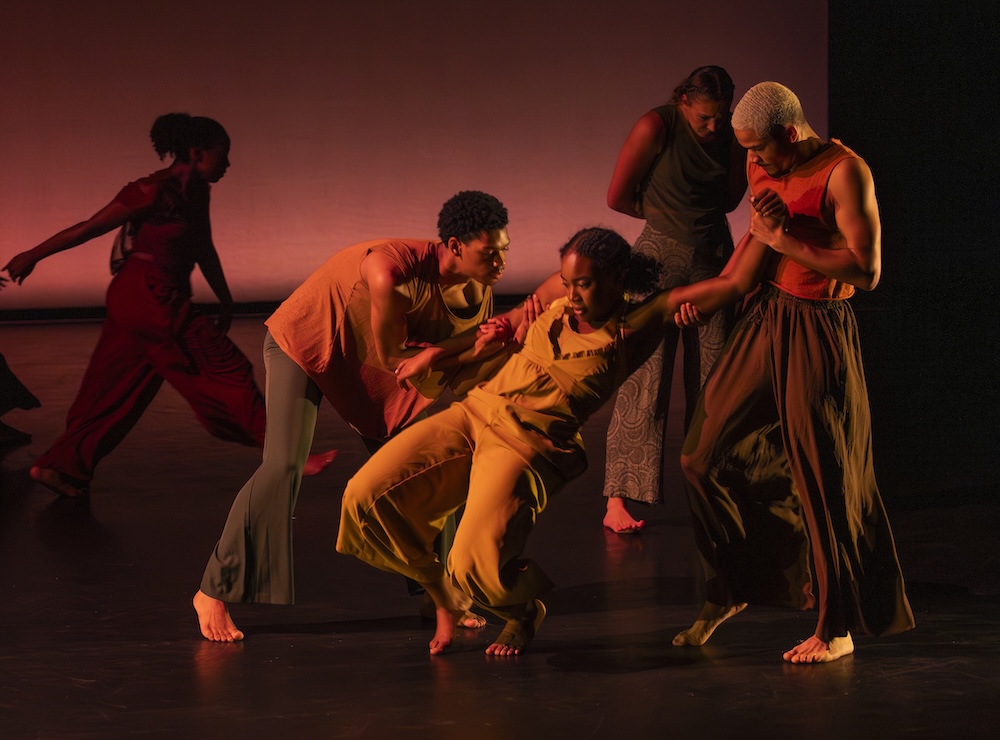
In November, the University marked the 20th anniversary of KSU Dance with a series of performances choreographed by Pulinkala, KSU faculty members Shannon Alvis and Autumn Eckman, and renowned guest artist Yankalle Filtser. Pulinkala’s choreographic work, which featured 10 current students and four alumni, was intended to bridge generations of dancers who have helped shape the program.
The concert and Pulinkala’s piece also carried the symbolic title, “Labyrinth.”
From humble beginnings to the national stage
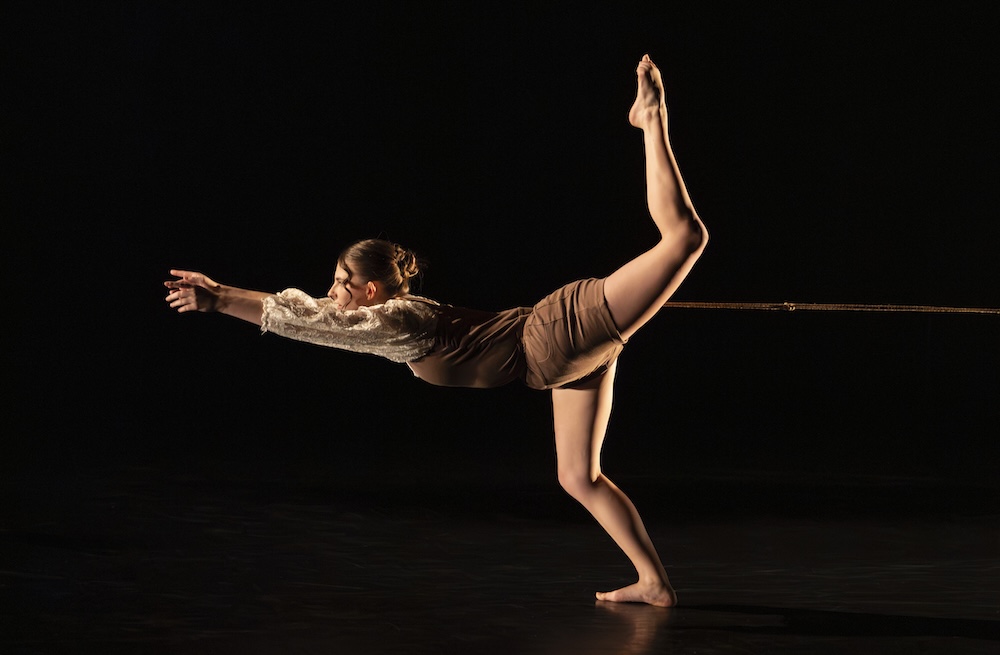
Yet it is all a far cry from the dance infrastructure when Pulinkala arrived.
Back then, KSU’s College of the Arts offered degrees only in music, theatre, and visual arts. Pulinkala was hired to help then-President Betty Siegel fill the missing piece – dance.
He recognized that while Georgia had thriving private studios producing talented artists, many left the state for professional training elsewhere. His goal was to create a dynamic, affordable public program that could retain this talent and elevate the region’s dance profile.
“When I first got offered the position, I was reticent,” Pulinkala said. “Betty Siegel said, ‘Tell him if he comes here, I’ll build him a studio.’ And she did within three months.”
The first studio was a reclaimed basketball court in the campus recreation center, and Pulinkala’s office was across campus tucked away in the J.M. Wilson Building. With the infrastructure taking shape, he hired part-time faculty members to expand offerings. Among those first hires was Carolyn Perry, a respected choreographer and 20-year veteran of the Atlanta dance community.
It wasn’t the infrastructure that caught Perry’s attention; it was Pulinkala’s vision for a collegiate dance program with an outsized impact.
“Ivan had this incredible dream,” said Perry, a part-time instructor of dance. “He wanted to build something big for this region, and I was excited to be part of that from the ground up. I never imagined what it would become.”
The program’s early growth was built on the choreographic success of its faculty.
Pulinkala himself choreographed dances for regional American College Dance Festival events that were later selected for the prestigious national festival at the Kennedy Center in Washington, D.C.
Slowly, the program gained notoriety on the national stage and began to attract students from across the Southeast. Pulinkala garnered national attention at the time as the only choreographer in the history of the American College Dance Festival to have three successive national selections at the Kennedy Center and national publications like Dance Teacher Magazine profiled KSU Dance for its rise to national prominence.
“In the early days, people didn’t even know we had a dance program,” Perry said. “When you hear ‘KSU Dance’ now, it means something. It has integrity. It’s recognized.”
A culture of collaboration and philanthropy
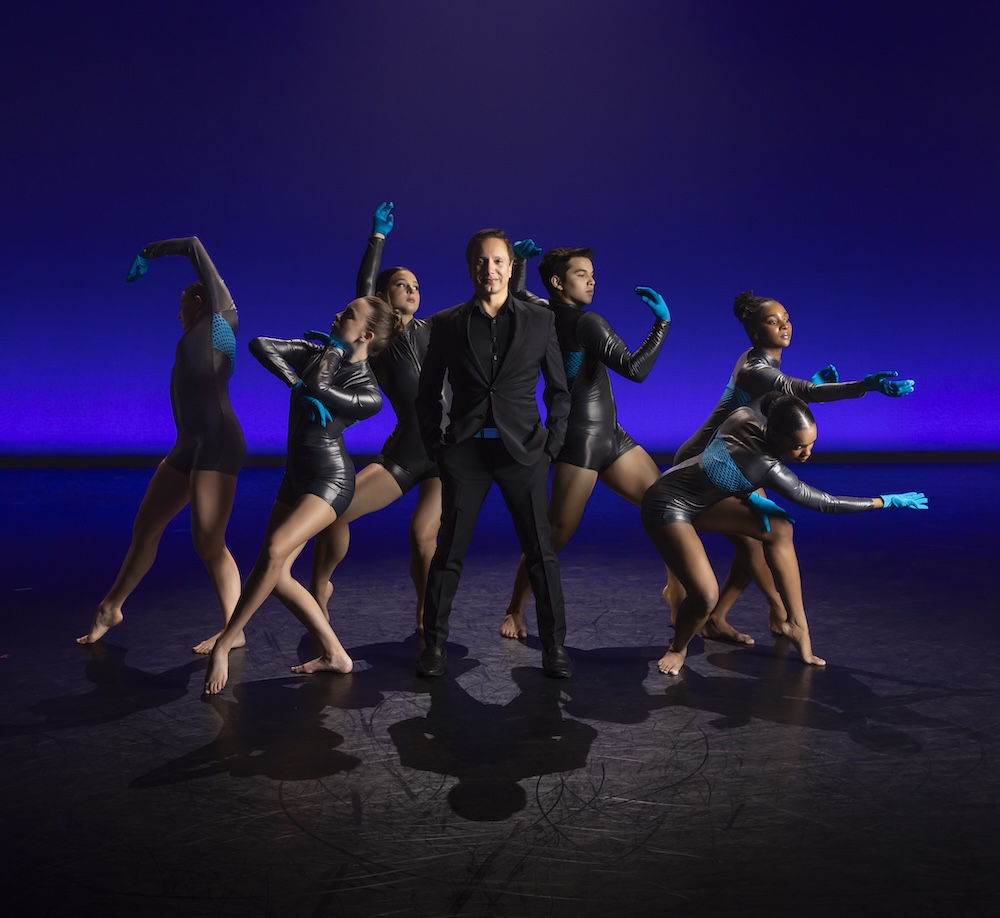
“There was only one absolute nonnegotiable,” he said. “The program had to be very closely connected and aligned with the professional practice of dance, requiring philanthropic resources to advance.”
The Department of Dance built strong professional partnerships with the Atlanta Ballet, Terminus Modern Ballet Theatre, and Georgia State University’s Rialto Center for the Arts. KSU Dance also launched study abroad programs with Israel’s Batsheva Dance Company, one of the world leaders in contemporary dance, and more recently a study abroad program in the Netherlands.
The partnerships were designed to expose students to professional performances and to experience master classes taught by world-renowned artists.
Pulinkala established the KSU Choreographic Residency program, which invites two nationally emerging choreographers to the Department of Dance for a four-week residency. The residency involves three weeks of creation in the studio and one week of technical rehearsals in the KSU Dance Theater to create two world premieres with the KSU Dance Company. The program is funded by the Eleo Pomare–Glenn Conner Dance Endowment and receives more than 100 applications annually.
“Our goal has always been to ensure our graduates are ready for the professional practice of dance,” Pulinkala said.
Each year, KSU Dance conducts several in-house performances, partners with internationally recognized guest choreographers, and hosts elite professional companies. Dance students play a direct role in many of those performances due, in part, to another bold decision Pulinkala made in the early days of the program – hiring an in-house lighting designer and production manager.
David Tatu, who joined KSU in 2012 following a 15-year stint with the Atlanta Ballet, became the dance program’s first staff hire. His directive was clear: build a production department from the ground up and teach students to run every aspect of a show.
“Ivan said, ‘I want our productions to be 100% run by students,’” said Tatu, assistant director of production and parttime instructor of dance. “That was the challenge from Day 1.”
Tatu brought his professional experience to bear, setting standards that mirrored those of major companies. The benefits of his approach quickly became clear.
“I always say that if you’re going to dance on the stage, you need to know how to work on the stage,” Tatu said. “We didn’t anticipate that anyone would learn this and say, ‘Wow, I don’t just want to dance. I also want to do production work.’ But that started happening almost immediately.”
Bolstering the talent pipeline
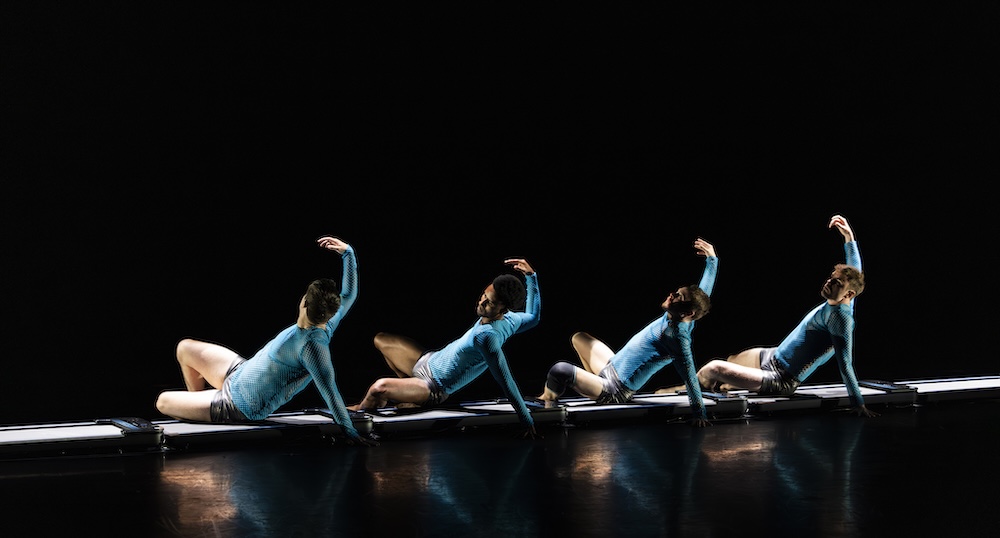
For Barsky, dance is not just an art form; it’s a gateway to countless possibilities.
“I want students to broaden how they view a career in dance,” said Barsky, who joined KSU in 2020. “They’re learning so many different interesting skills – collaboration, production, writing, management – and that all happens in dance education.”
Whether on stage or behind the scenes, many KSU alumni have found their way into some of the most respected dance companies in the country. Among them is Simone Stevens ’17, who since 2021 has performed professionally with Chicago’s internationally acclaimed Hubbard Street Dance Company.
Being hired by Hubbard Street was a full-circle moment for Stevens who, as a freshman at KSU, was introduced to the dance company by a classmate and would frequently watch promotional videos in awe.
“I’m working with artists I once admired on film,” Stevens said. “We’re standing at the barre together every day.”
At KSU, Stevens received the Emerson Scholarship for the Advancement of International Education to study dance in Israel and worked directly with artists from the Batsheva Dance Company. Shortly after joining Hubbard Street, Stevens was one of two KSU alumni named to Dance Magazine’s Top 25 to Watch list, joining Darvensky Louis ’20, a part-time instructor at KSU.
In January, Stevens returned to the KSU Dance Theater as a member of Hubbard Street during the annual ArtsKSU Presents: Professional Series.
Though she often comes back to Kennesaw State to teach dance intensives, returning as a performer presented a unique opportunity to introduce her colleagues to KSU Dance.
“The KSU Dance Theater opened my senior year, and my colleagues constantly hear me talk about it,” Stevens said. “I tell them that I helped build that stage, hang those lights, and finish that dressing room. For me, it was a true homecoming.”
Often, Stevens finds herself performing in New York City. While there, she finds the time to meet with former classmate Angelina Pellini ’17, who serves as stage manager for the New York City Ballet. As the stage manager, she is responsible for orchestrating each production element during performances for the globally recognized ballet company.
Though Pellini was first introduced to KSU Dance through its summer intensives, she knew early on that performing was likely not in her long-term plans. Due to the structure of the dance program, she received early exposure to the production side of the industry and was instantly hooked.
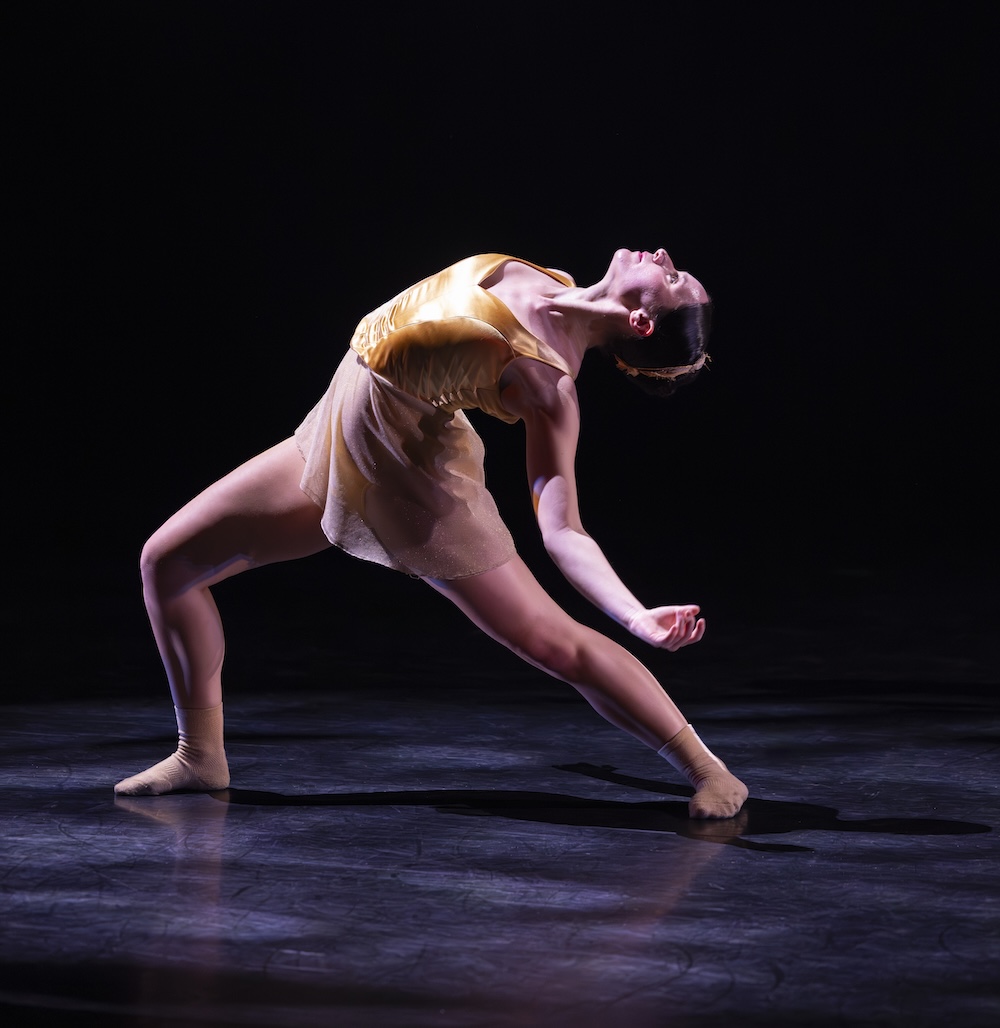
Under Tatu’s tutelage, Pellini found opportunities to gain experience outside of the classroom. She aided the production of performances at the Cobb Energy Centre and called shows at the American College Dance Association’s annual conference, something typically reserved for professionals. She cut her teeth as a professional with Terminus Modern Ballet Theatre, founded by fellow alumnus John Welker ’17, ’19.
Today, Pellini works just steps away from some of the world’s greatest dancers in one of the cultural capitals of the world.
“If you had asked me at the time what my dream job was, I would have told you the one that I have now,” Pellini said. “But I didn’t think there was ever a world where that would happen.”
For Perry, one of the most rewarding aspects of being a part of KSU Dance is seeing where students take their talents upon graduation. Among those success stories is her own daughter, Riley, who now performs in New York while attending graduate school.
“My time at KSU has been a journey,” Perry said. “Every time I see a student succeed, whether it’s in New York or right here in Georgia, I know it was worth it.”
This article also appears in the current issue of Summit Magazine.
– Story by Travis Highfield
Photos by Matt Yung
A leader in innovative teaching and learning, Kennesaw State University offers undergraduate, graduate, and doctoral degrees to its more than 51,000 students. Kennesaw State is a member of the University System of Georgia with 11 academic colleges. The university's vibrant campus culture, diverse population, strong global ties, and entrepreneurial spirit draw students from throughout the country and the world. Kennesaw State is a Carnegie-designated doctoral research institution (R2), placing it among an elite group of only 8 percent of U.S. colleges and universities with an R1 or R2 status. For more information, visit kennesaw.edu.