


KENNESAW, Ga. | Dec 1, 2025
MS Integrative Biology student Sydney Morton studies how urbanization affects the genetics of field mice.
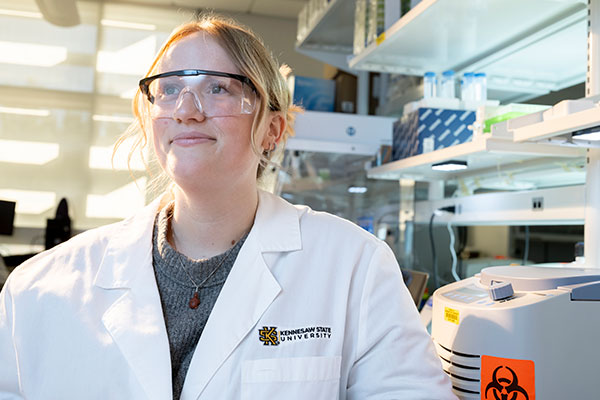
When she decided to pursue a graduate degree, she looked for a university that had a program and lab that would allow her to explore human-wildlife interactions, particularly in relation to urbanization. “I chose KSU for a few different reasons,” she explained. “The biggest selling point was all of the cool research I saw coming out of the integrative biology (MSIB) program.”
Now as a graduate student in the MSIB program at Kennesaw State, Sydney studies how urbanization affects the genetics of field mice. “I was really excited to work with Dr. Nicholas Green, due to his focus on the impacts of human activities on wildlife populations and his expertise in statistics, which is an area I wanted to gain experience in.” Sydney chose to study field mice because they are an abundant indicator species that can signify the quality of their environment, either good or bad. “As cities grow and natural habitats are replaced with buildings and roadways, wildlife may physically adapt to these changes in their environment. For example, some studies have found that urban mice have larger braincases as compared to rural mice. Their teeth or jaws might adapt in response to new food sources, like processed foods which are very different from their natural diet,” Sydney said.
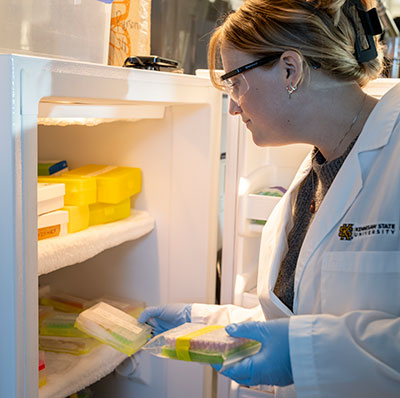
“The public health aspect becomes relevant because as natural habitats shrink, animals like mice may start appearing in backyards or even inside homes more often, increasing the chance of human-wildlife interactions,” she said. Since rodents can carry diseases, it’s critical to understand where and why they move into urban spaces, so risks to humans can be reduced.
Studying wild animals in the context of human activity helps us understand how to protect and preserve natural systems, and ultimately, how to create a future where humans and wildlife can coexist. Sydney stresses that it’s more important than ever that we learn to coexist with wildlife in sustainable ways. “Our survival depends on it. Healthy ecosystems aren’t just a luxury, they are essential for clean air, water, food, and climate regulation that sustain human life.”
- By Tracy Gaudlip
- Photos by Darnell Wilburn
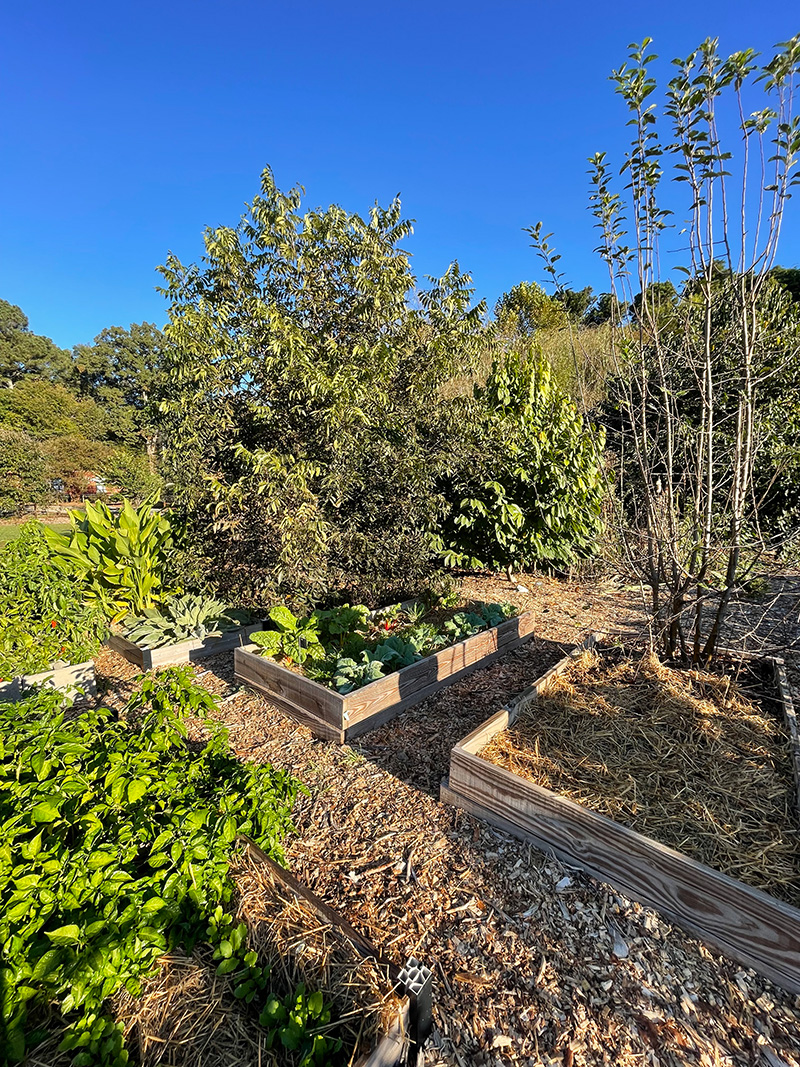
KSU Field Station Offers Real-World Experience for Graduate Students
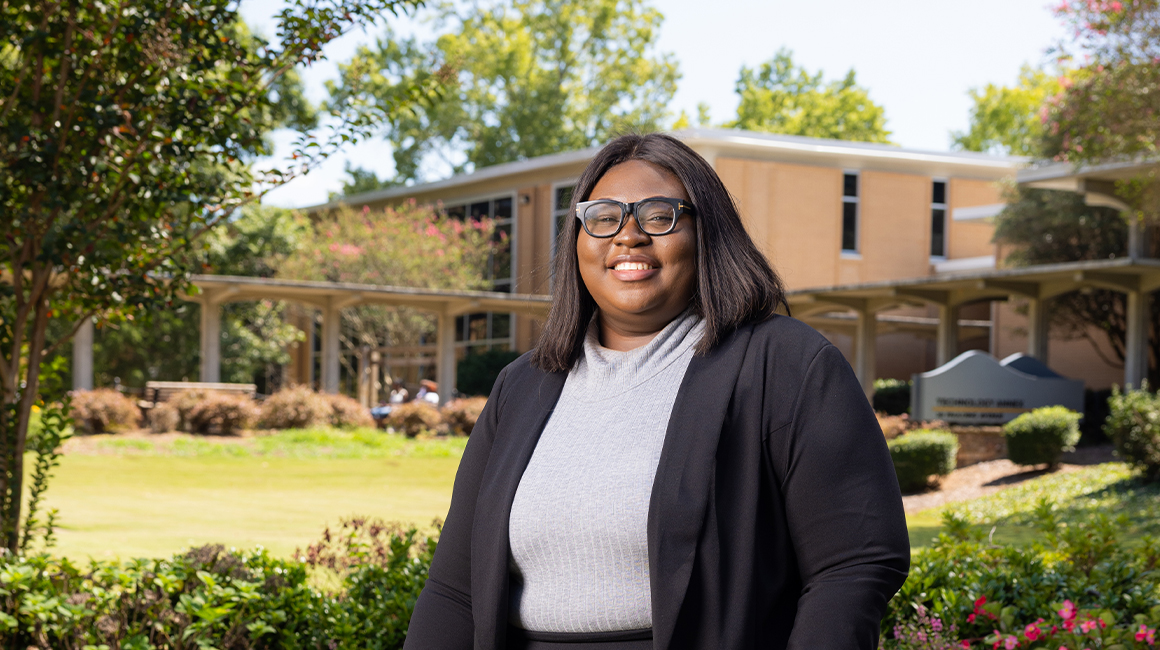
KSU Doctoral Candidate Uses Workshop Experience to Bridge Peace Studies and Military Strategy

Eight KSU Graduate Students Receive Scholarships from Graduate College

KSU Doctoral Candidate Selected for Prestigious Military Strategy Workshop at Cornell

